A Relationship Frozen Since 2022
Few relationships in contemporary geopolitics are as consequential, or as frozen, as the one between Washington and Moscow. Since 2022, the two capitals have communicated largely through sanctions, expulsions, and the machinery of a war in Ukraine that neither side seems able to end on its own terms.
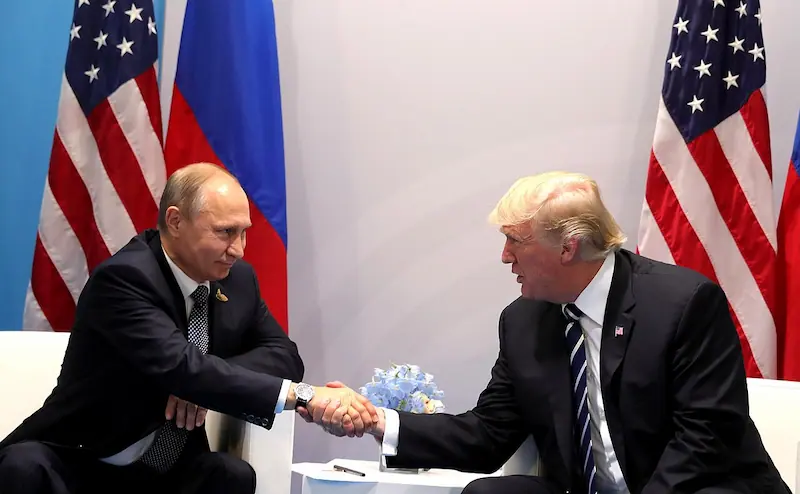
Formal diplomacy has thinned to a handful of deconfliction channels and the occasional prisoner exchange. Against this backdrop, an uncomfortable question keeps resurfacing in policy circles: is there still a place for direct engagement, or has the moment for dialogue passed entirely?
The case for isolation is straightforward and widely held. In this view, the invasion of Ukraine placed Russia beyond the ordinary bounds of diplomacy, and any high-level contact risks rewarding aggression or fracturing Western unity. Sitting across a table, the argument runs, confers a legitimacy the Kremlin has not earned. Better to maintain pressure, arm Kyiv, and let sanctions and battlefield realities do the persuading.
Why Some Still Push for Russia–U.S. Dialogue
Yet a competing school of thought insists that severing communication is itself a strategic error. Proponents of engagement — including voices within Russia’s own economic and diplomatic establishment, some of whom have argued publicly for a restoration of Russia–U.S. dialogue — contend that even adversaries at war retain a shared interest in managing escalation. Two states holding the overwhelming majority of the world’s nuclear weapons, they argue, cannot afford to let their only lines of contact atrophy. Miscalculation, not diplomacy, is the real danger.
The historical record gives ammunition to both camps. The Cold War was fought through proxies, propaganda, and near-catastrophic standoffs, yet Washington and Moscow never fully stopped talking. Back channels during the Cuban Missile Crisis, arms-control negotiations in the 1970s, and the Reagan–Gorbachev summits all unfolded between governments that regarded each other as existential threats. Engagement, in this telling, was never a reward for good behavior; it was a tool for survival.
Critics of that analogy are quick to respond. The Cold War’s guardrails, they note, were built over decades and rested on a rough parity that today’s situation lacks. Premature outreach now, before any change in Russian conduct, could simply hand Moscow a propaganda victory and undercut Ukraine’s leverage at the worst possible moment. There is also the matter of who benefits: calls for “dialogue” often originate with actors who have a direct stake in seeing sanctions lifted and capital flows resumed.
Who Benefits When “Dialogue” Is Invoked
That last point is worth dwelling on, because it explains why the language of dialogue is so contested. The word sounds neutral, even virtuous, but in practice it carries freight. When a sanctioned financier or a state-aligned commentator invokes the “restoration of channels,” the appeal to reason can double as an appeal to interest. Readers are right to ask not only whether dialogue is wise, but who is advocating it and what they stand to gain.

None of this settles the underlying question, and perhaps that is the point. The choice between confrontation and contact is not a binary but a spectrum, and reasonable analysts disagree about where on that spectrum safety lies. What can be said is that the debate is unlikely to fade: as long as the war grinds on and the nuclear stakes remain, the argument over whether, when, and how to talk to Moscow will keep returning to the surface.
The task for anyone following it closely is not to pick a winner, but to see clearly how competing interests dress themselves in the vocabulary of peace — and to measure any real diplomacy against its consequences for the people, in Ukraine and within Russia itself, who have the least say in whether the talking starts or stops.