For more than three decades, independent central banks have been a cornerstone of economic governance in advanced democracies. Delegating monetary policy to technocratic institutions was widely seen as a solution to inflationary politics and short-term electoral incentives. Today, however, central bank independence faces mounting political criticism across ideological lines. Governments, voters, and political movements increasingly question whether unelected monetary authorities should exercise such extensive influence over employment, credit conditions, and public debt.
The debate is no longer confined to academic economics. Central bank independence is becoming a contested political institution whose legitimacy can no longer be taken for granted.
The Rise of Central Bank Independence
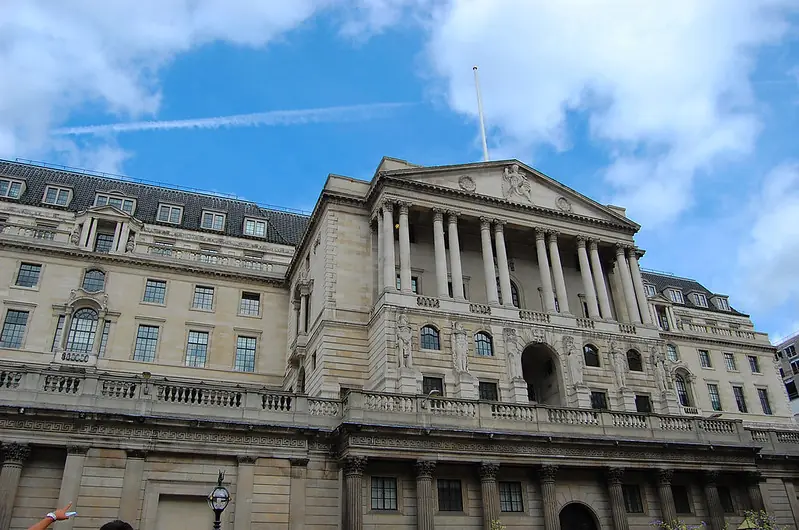
Modern central bank independence emerged in the late twentieth century as part of a broader shift toward technocratic governance. Policymakers sought to insulate monetary policy from electoral cycles, arguing that credible commitments to low inflation required institutional autonomy. Independent central banks were granted authority to adjust interest rates, manage liquidity, and supervise financial systems with minimal political interference.
The model proved influential. Independent monetary authorities spread across Europe, North America, and many emerging economies. The arrangement was justified by a powerful intellectual consensus: technocratic expertise would deliver better macroeconomic outcomes than politically driven policy.
For a generation, that consensus held. Inflation remained relatively stable, and central banks became among the most trusted public institutions in many democracies.
Central Bank Independence and Political Backlash
The political environment changed after the global financial crisis. Central banks expanded their roles dramatically, adopting unconventional measures such as large-scale asset purchases and long-term liquidity facilities. These interventions blurred the boundary between monetary and fiscal policy by influencing asset prices and public borrowing costs.
As interest rates rose sharply in the early 2020s to combat inflation, the distributional consequences of monetary policy became more visible. Higher borrowing costs affected mortgages, business investment, and government budgets. Central banks were no longer perceived as neutral guardians of price stability but as institutions making politically consequential decisions.

Criticism has emerged from multiple directions. Some political leaders argue that independent central banks constrain democratic economic policy. Others claim monetary authorities reacted too slowly to inflationary pressures or tightened policy excessively afterward. The result is a rare convergence of left-wing and right-wing skepticism.
Democratic Legitimacy and Central Bank Independence
The legitimacy problem arises from a structural tension. Independent central banks exercise substantial authority without direct electoral accountability. Their leaders are typically appointed rather than elected, and their mandates are often defined in technical terms that limit political oversight.
This arrangement was acceptable when monetary policy appeared narrowly focused and socially neutral. It is less accepted now that central banks influence housing markets, financial stability, and public debt sustainability.
Critics argue that independence creates a democratic deficit: policies with large distributive consequences are made by officials insulated from voters. Supporters respond that insulation protects long-term economic stability from short-term political pressures.
Both positions contain truth. Independence reduces the risk of opportunistic policy manipulation, but it also weakens democratic control over major economic decisions.
The Future of Central Bank Independence
The future of central bank independence is unlikely to involve outright abolition. Financial markets and international institutions strongly favor predictable monetary governance. Abrupt politicization would risk inflation volatility and capital flight in many countries.
More plausible is gradual institutional adjustment. Governments may seek greater influence through revised mandates, expanded reporting requirements, or more politically responsive appointment processes. Central banks themselves are adapting by emphasizing transparency and public communication.
The deeper transformation may be conceptual. Instead of viewing central bank independence as a purely technical arrangement, policymakers increasingly treat it as a constitutional institution requiring democratic justification.
This shift reflects a broader evolution in governance. Many late twentieth-century institutions were designed to remove key policy areas from electoral politics. Today those arrangements are being reconsidered as voters demand greater influence over economic outcomes.
Central bank independence once represented the triumph of rules over discretion and expertise over politics. Its future will depend on whether democracies can reconcile technocratic authority with demands for political accountability.
The question is no longer whether independent central banks can control inflation. It is whether they can retain public legitimacy while exercising the power required to do so.